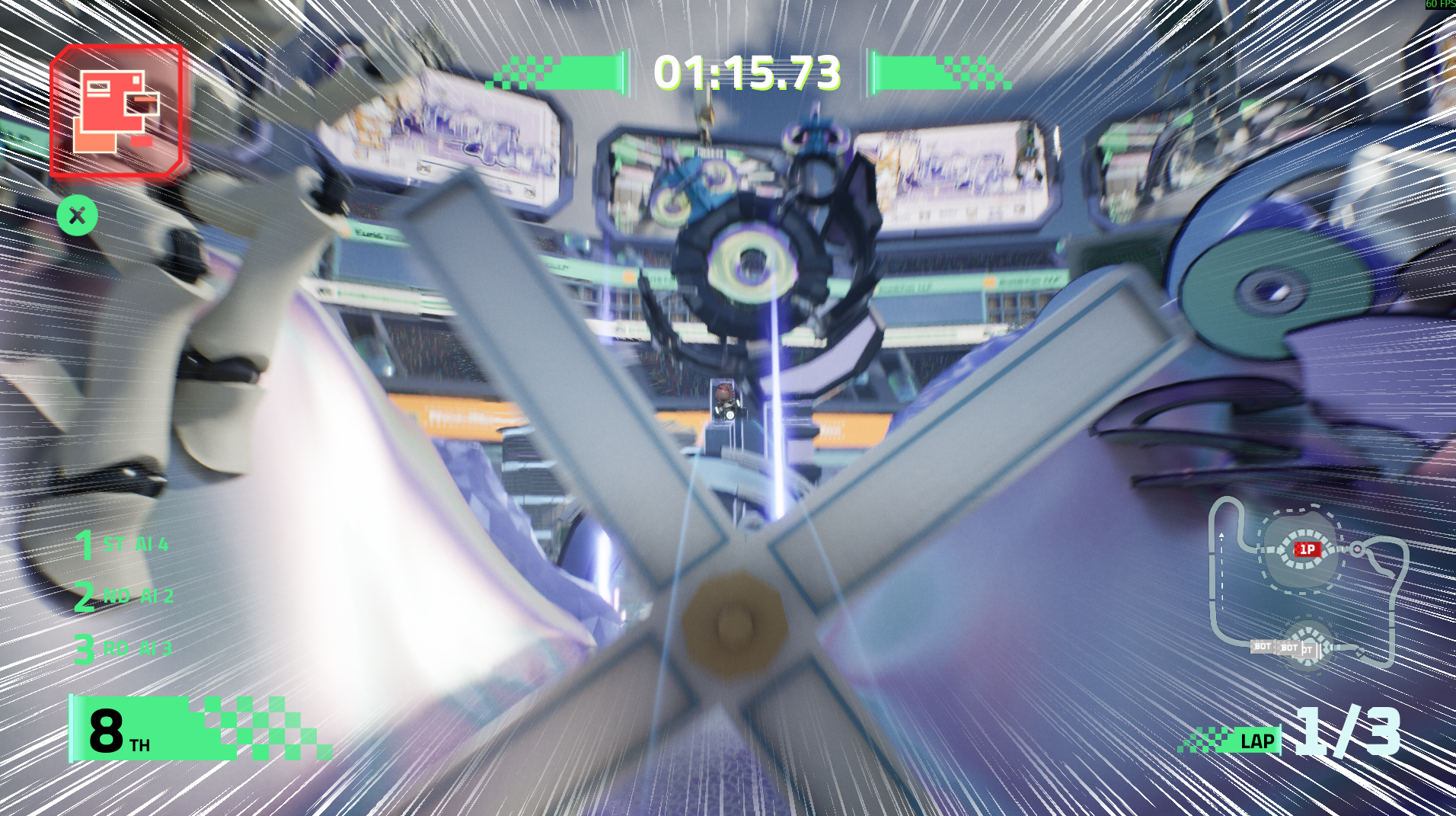
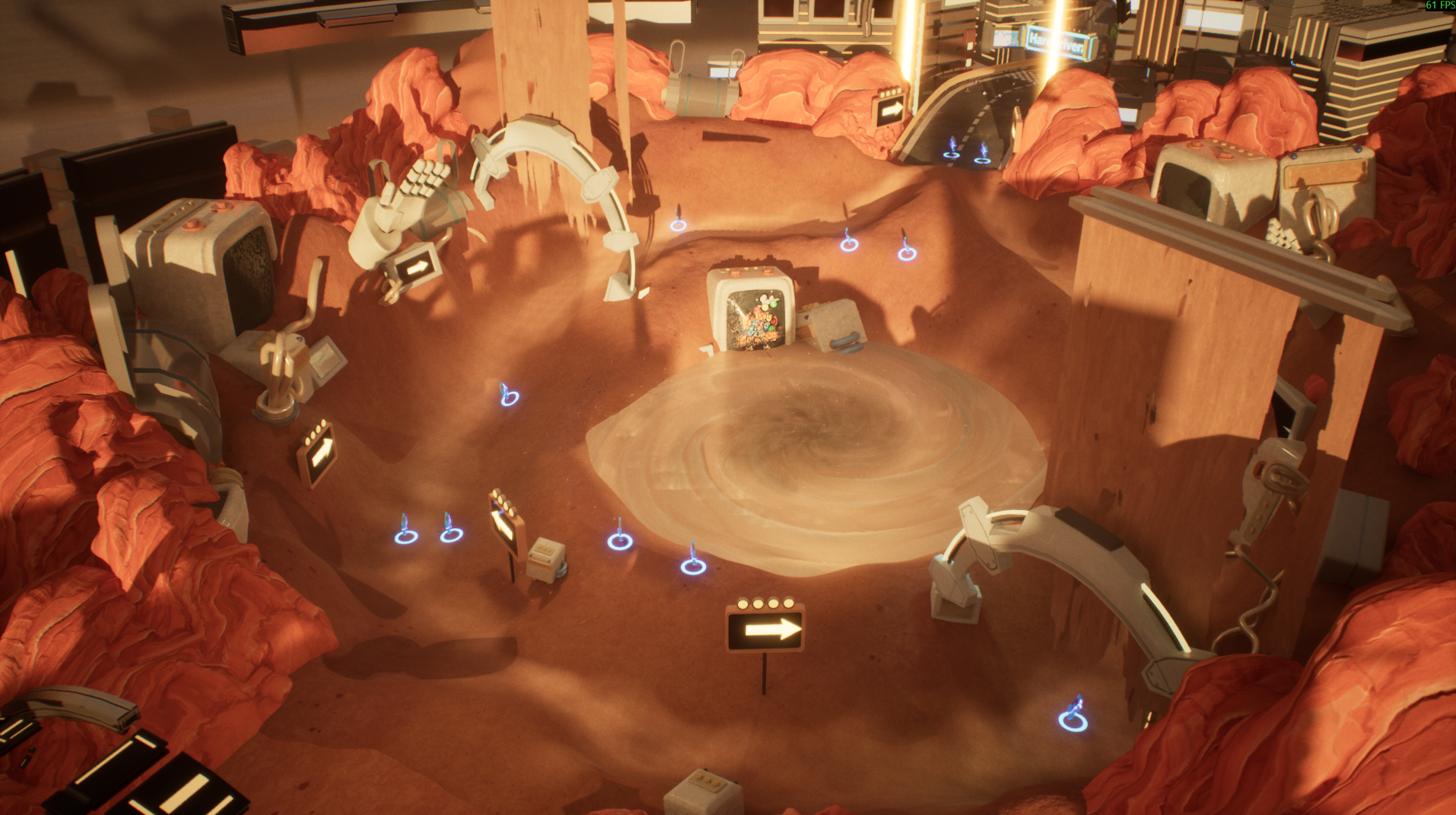
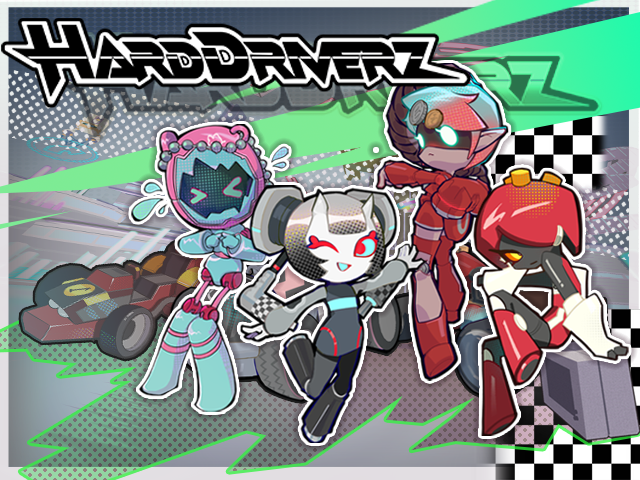
HardDriverz is an arcade racing game where players can customize their karts to compete through fun, twisty, futuristic tracks that defy gravity! Players can choose different and cool, unique power-ups that will help them get ahead of other racers as they compete to be the fastest racer! Play for FREE on Steam
HardDriverz
Lead Producer | 54-Person Team | 4 Month Development
As lead producer, my responsibilities included…
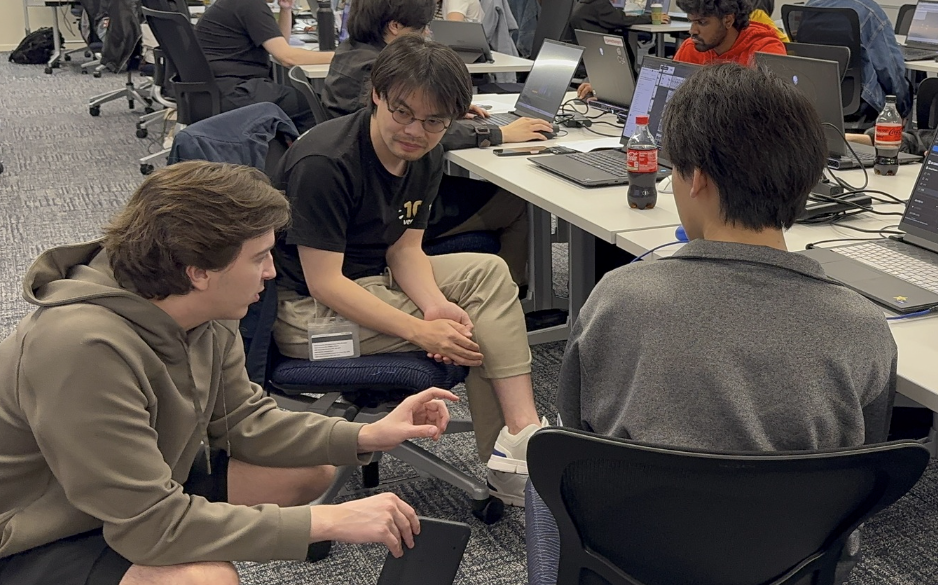
Facilitated cross-collaboration between different teams to ensure communication and trust
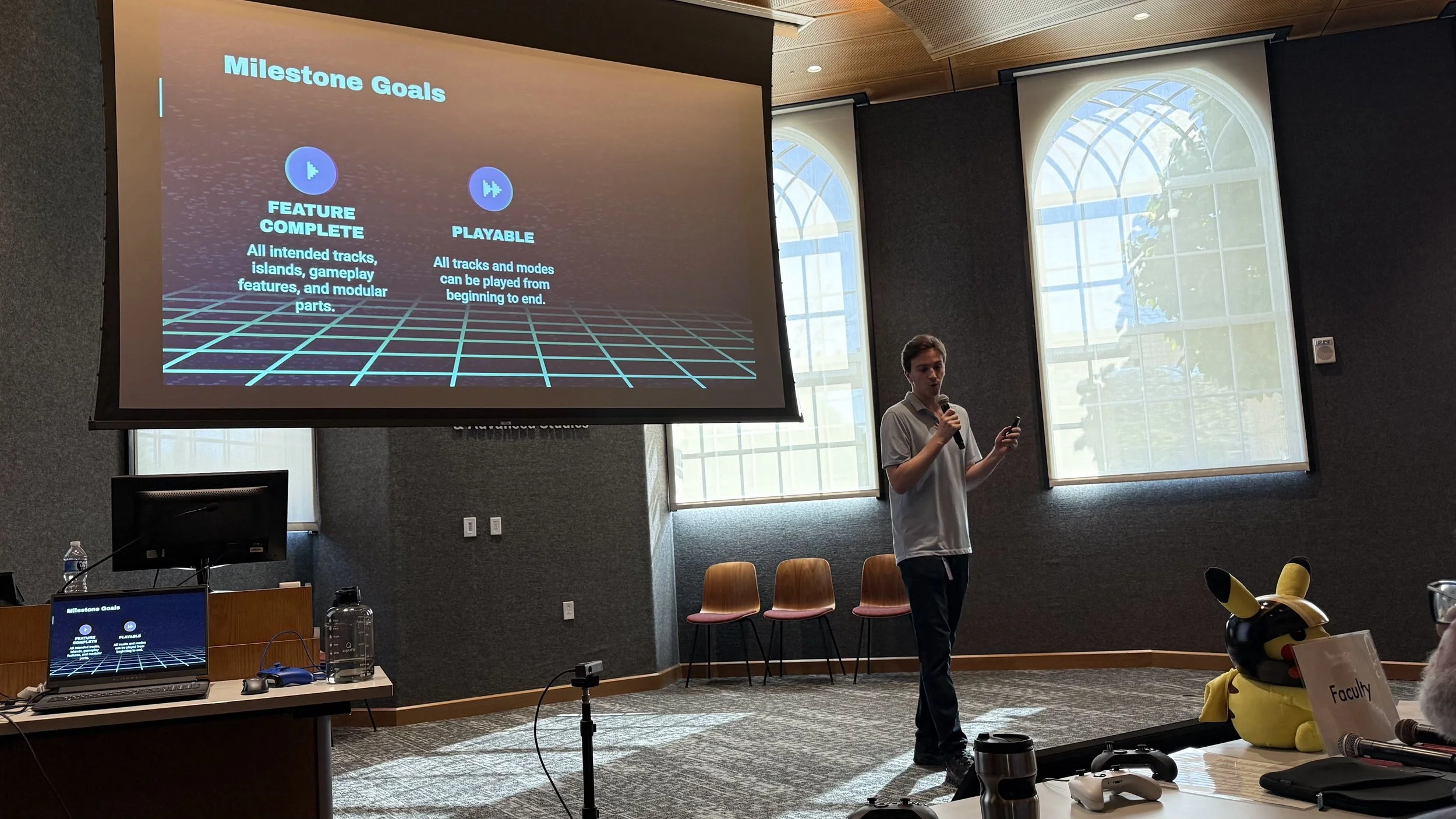
Led milestone presentations, clearly communicating development progress, challenges, and next steps to stakeholders
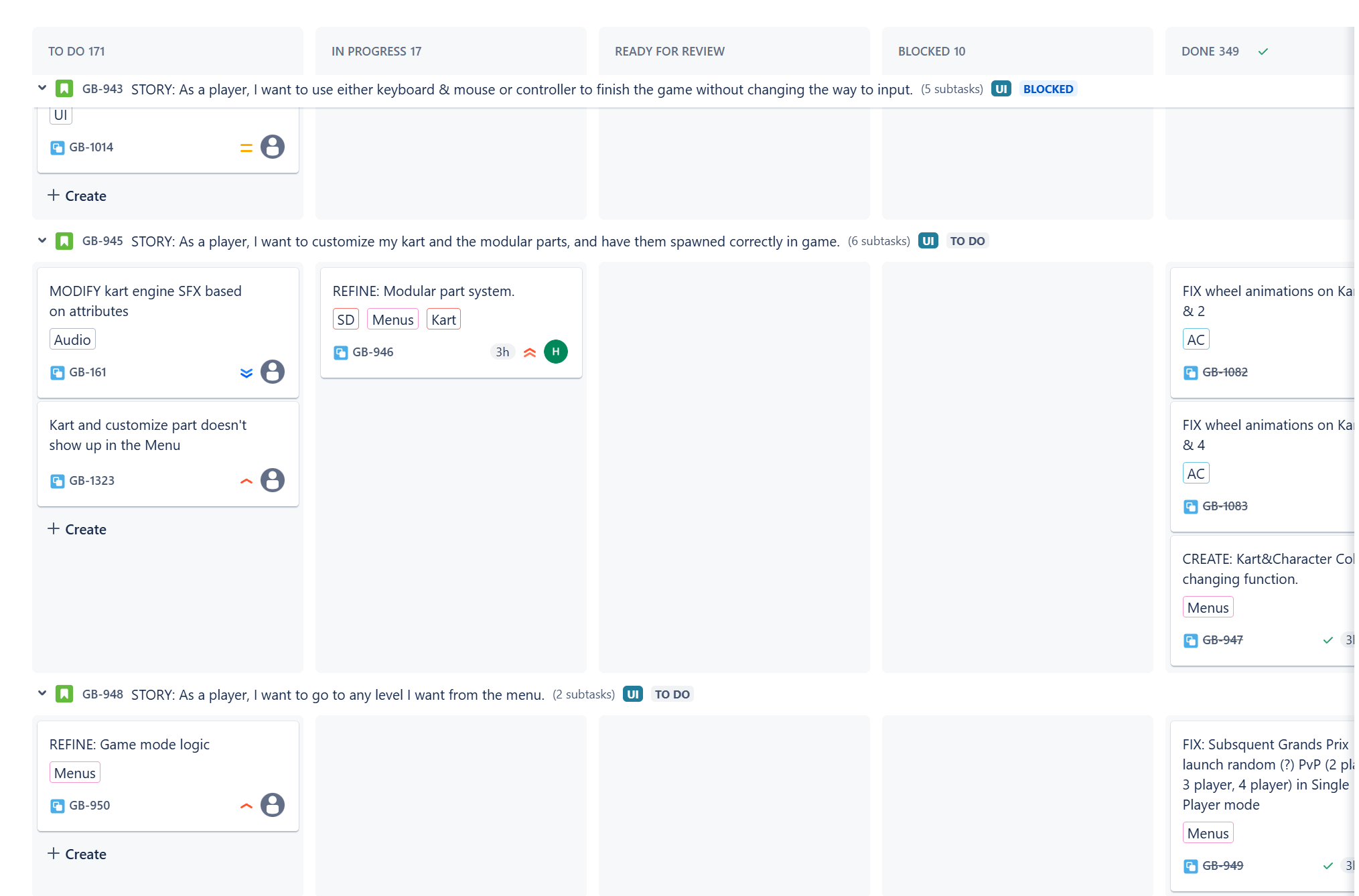
Managed the product backlog on Jira, optimized workflows, dashboards and filters to ensure smooth development
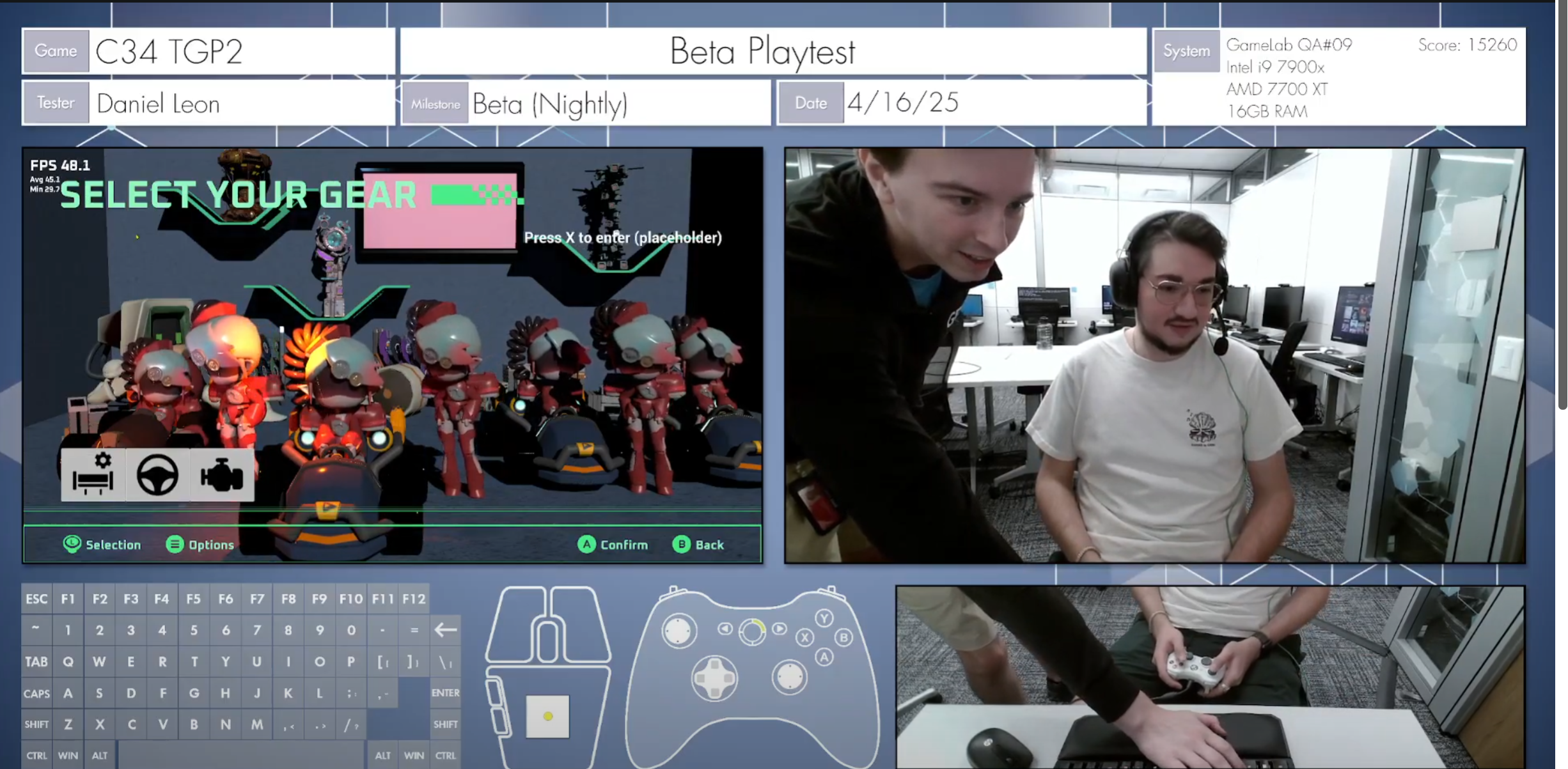
Designed and facilitated player testing sessions, gathering insights to refine gameplay balance and user experience
Production Tools I Used During This Project
Jira
Confluence
Perforce
Unreal Engine
Microsoft Office Suite
Slack
OBS
Steamworks
Example Documents
Alpha Milestone Delivery Document
I created this document and worked with the project leads to communicate out milestone delieverables with the stakeholders.
Alpha Milestone Presentation
This presentation was constructed and complied by the leads for the project and it was organized and structured by me. This presentation was provided to stakeholders during the Alpha milestone.
Postmortem on HardDriverz
This game project was not only my first large-scale team endeavor, but also my first opportunity to serve as lead producer. The role of lead producer comes with a wide array of responsibilities, and here are some of the invaluable lessons I learned that have greatly contributed to both my career and personal growth.
Ask the right questions to get to the underlying issues.
Early in development, we struggled with an effective menu system and treated a stakeholder-recommended tool as a "silver bullet."
While we focused on compatibility with the art direction, we failed to explore team concerns regarding splitscreen functionality in depth.
This oversight became a major blocker later, teaching me that focusing only on immediate symptoms can obscure deeper technical challenges.
I learned that by identifying hidden concerns early, producers can make well-informed decisions and avoid costly setbacks.
Managing a product backlog.
This was my first opportunity to work in Jira and take ownership of developing a full backlog.
I saw significant growth in my ability to write clear user stories, define conditions of satisfaction, and handle bug reporting.
As the project progressed, I became responsible for backlog grooming each sprint and supported leads by reviewing their tasks.
This hands-on involvement reinforced my understanding of Agile principles and solidified my confidence in backlog management.
Building trust with communication and positivity.
Leading a team of 54 developers and interfacing with stakeholders was a formative challenge.
I led daily morning announcements and Scrum of Scrums to ensure consistent alignment and build strong communication pipelines.
I discovered that a lead producer’s attitude is contagious, especially during demanding milestones.
By staying positive and composed, I aimed to uplift the team and maintain morale so we could approach each sprint with energy.
How to create a sprint schedule and milestone delivery document.
Underestimating the difficulty of consolidating multidisciplinary work into a build led to high-stress, down-to-the-wire deadlines.
I collaborated with the lead team to develop sprint calendars, which significantly reduced stress by accounting for downstream dependencies.
I created milestone delivery documents that outlined clear objectives for each discipline.
These documents strengthened trust with stakeholders by reinforcing transparency and alignment.
What I learned producing HardDriverz…