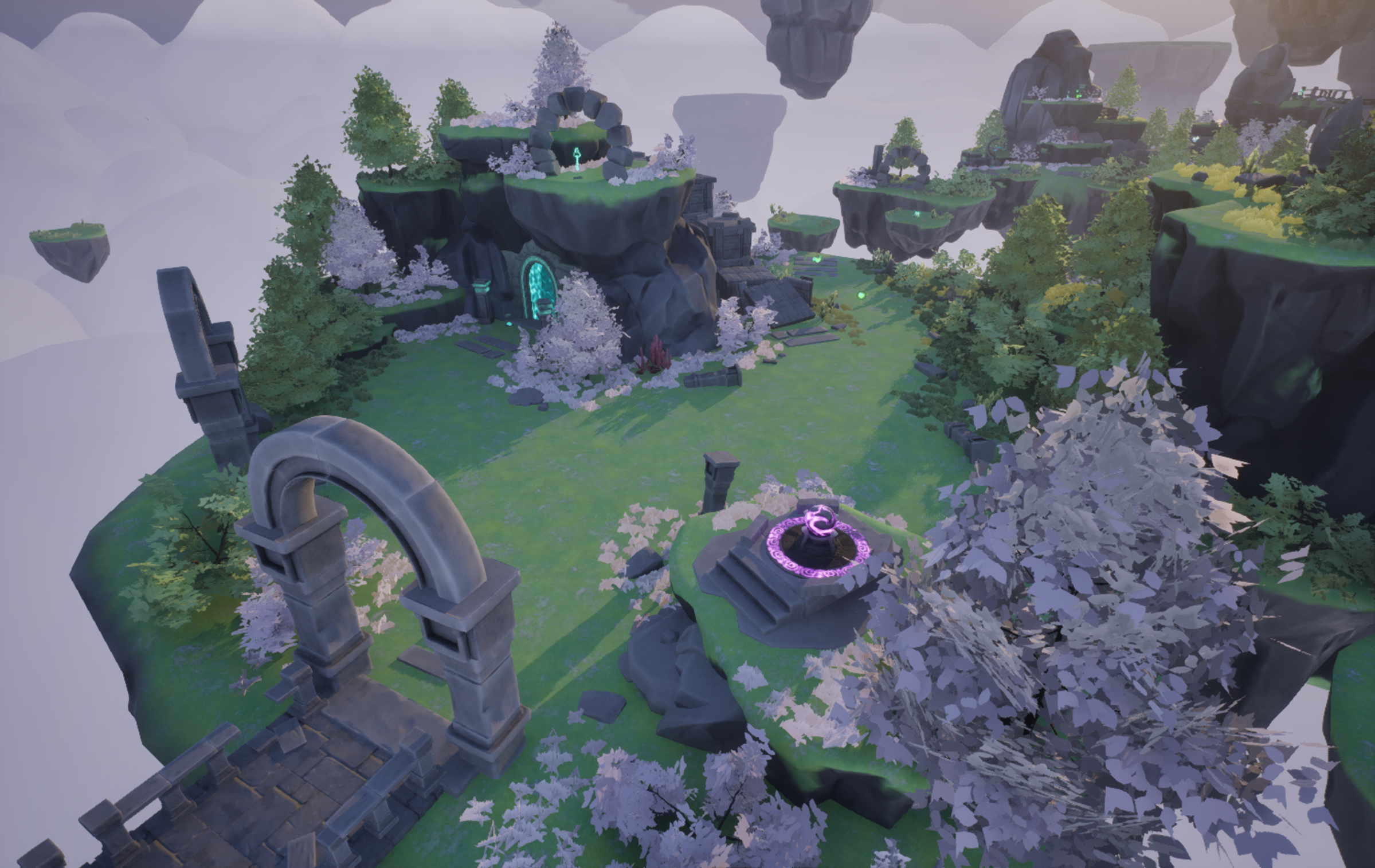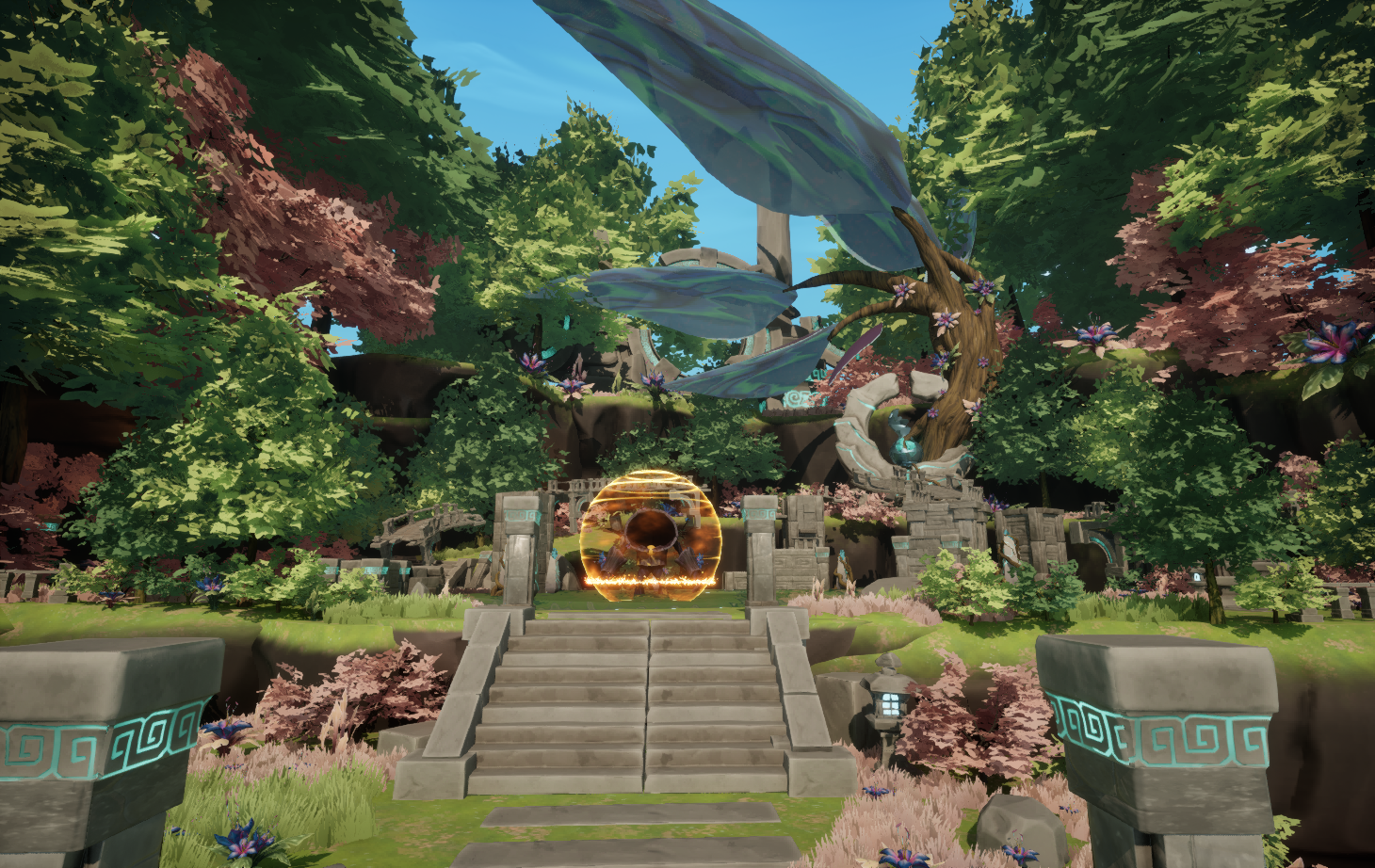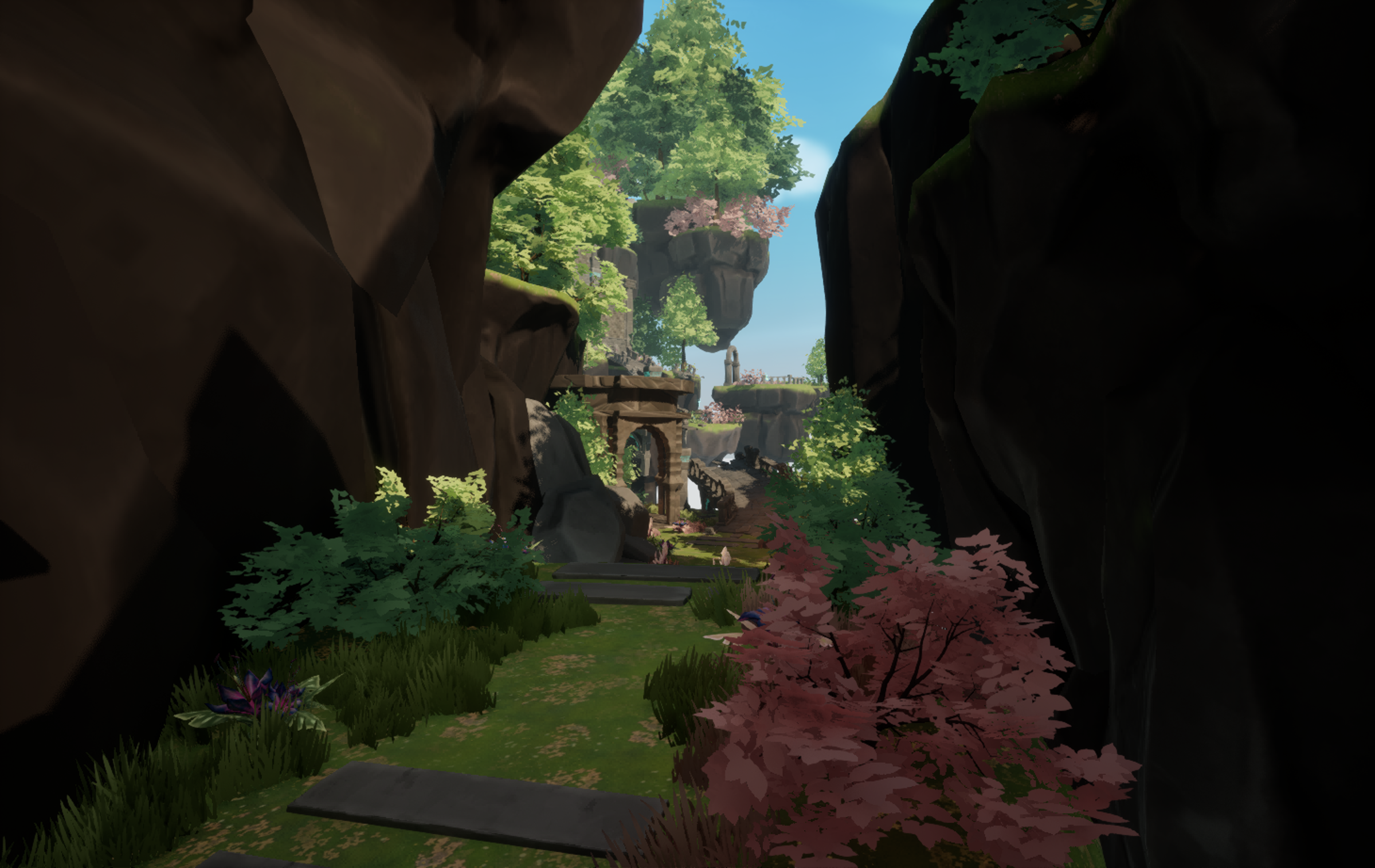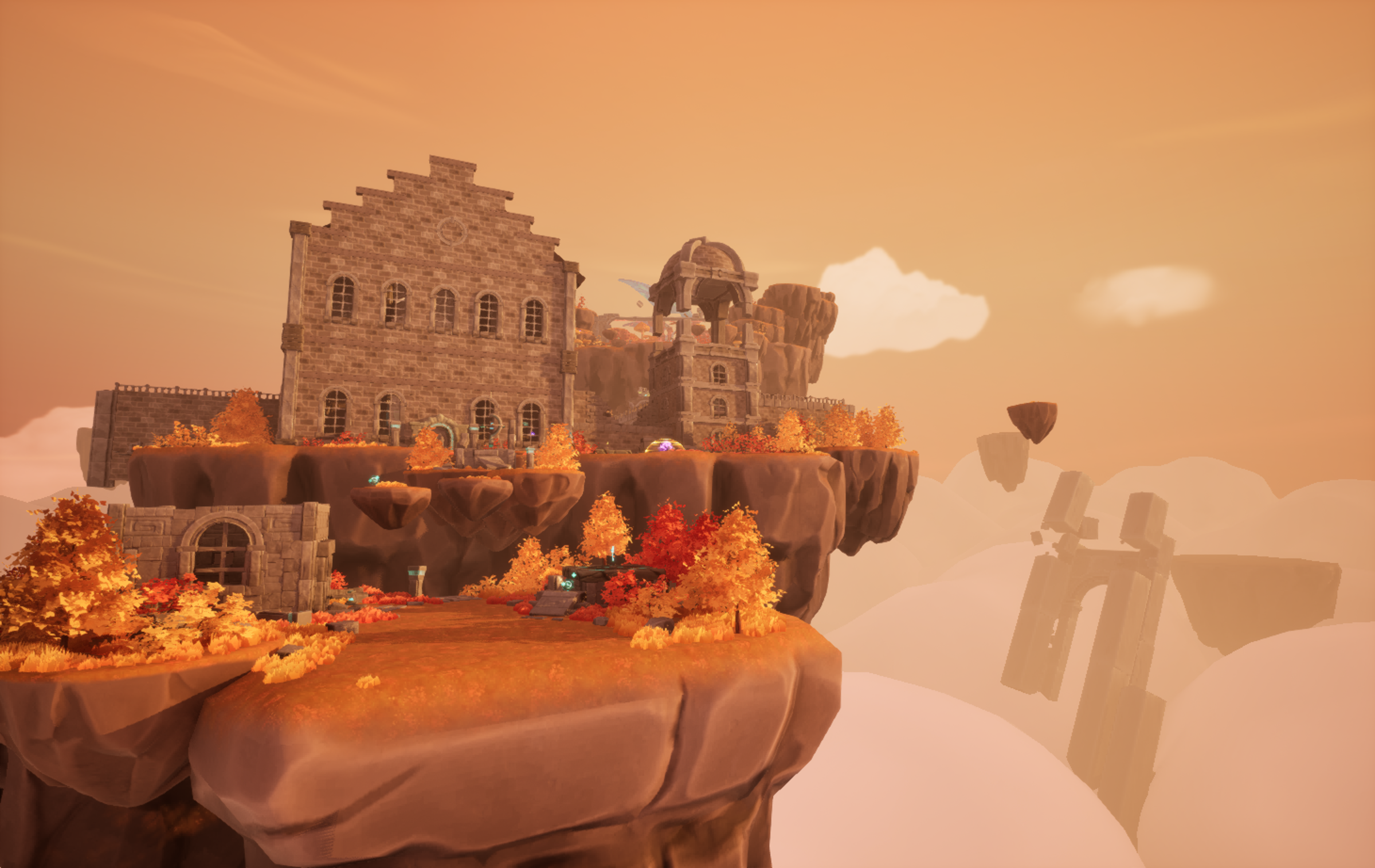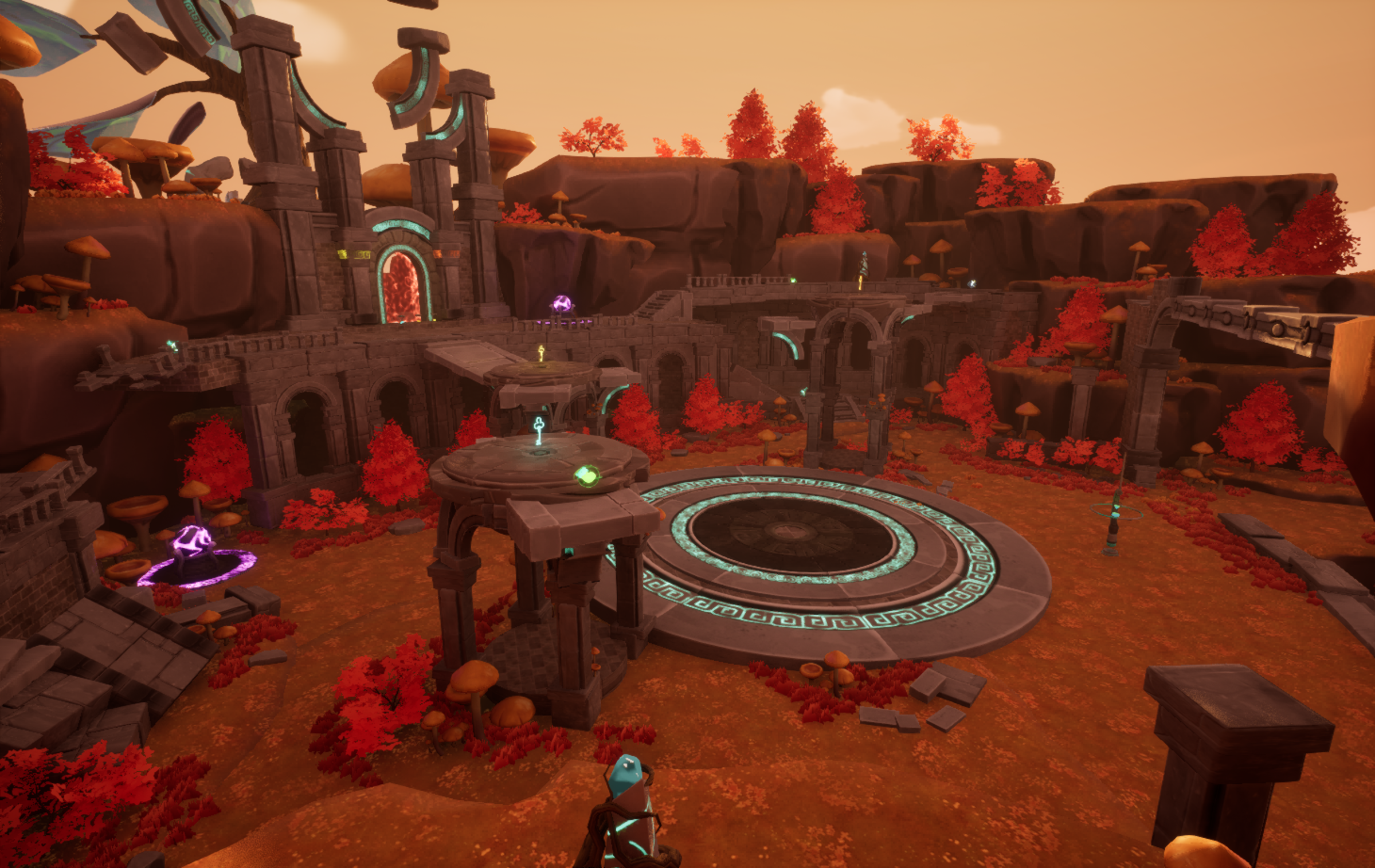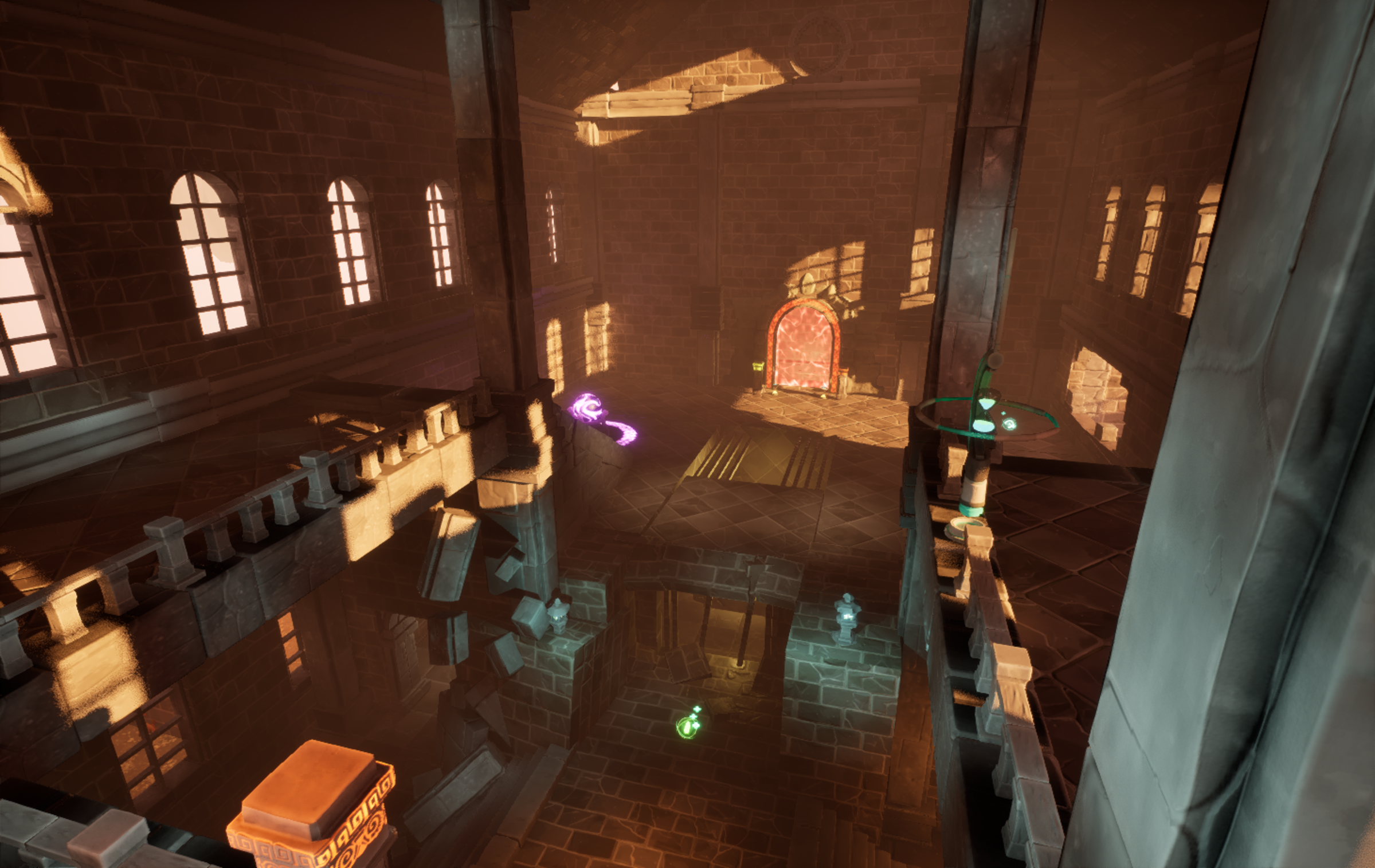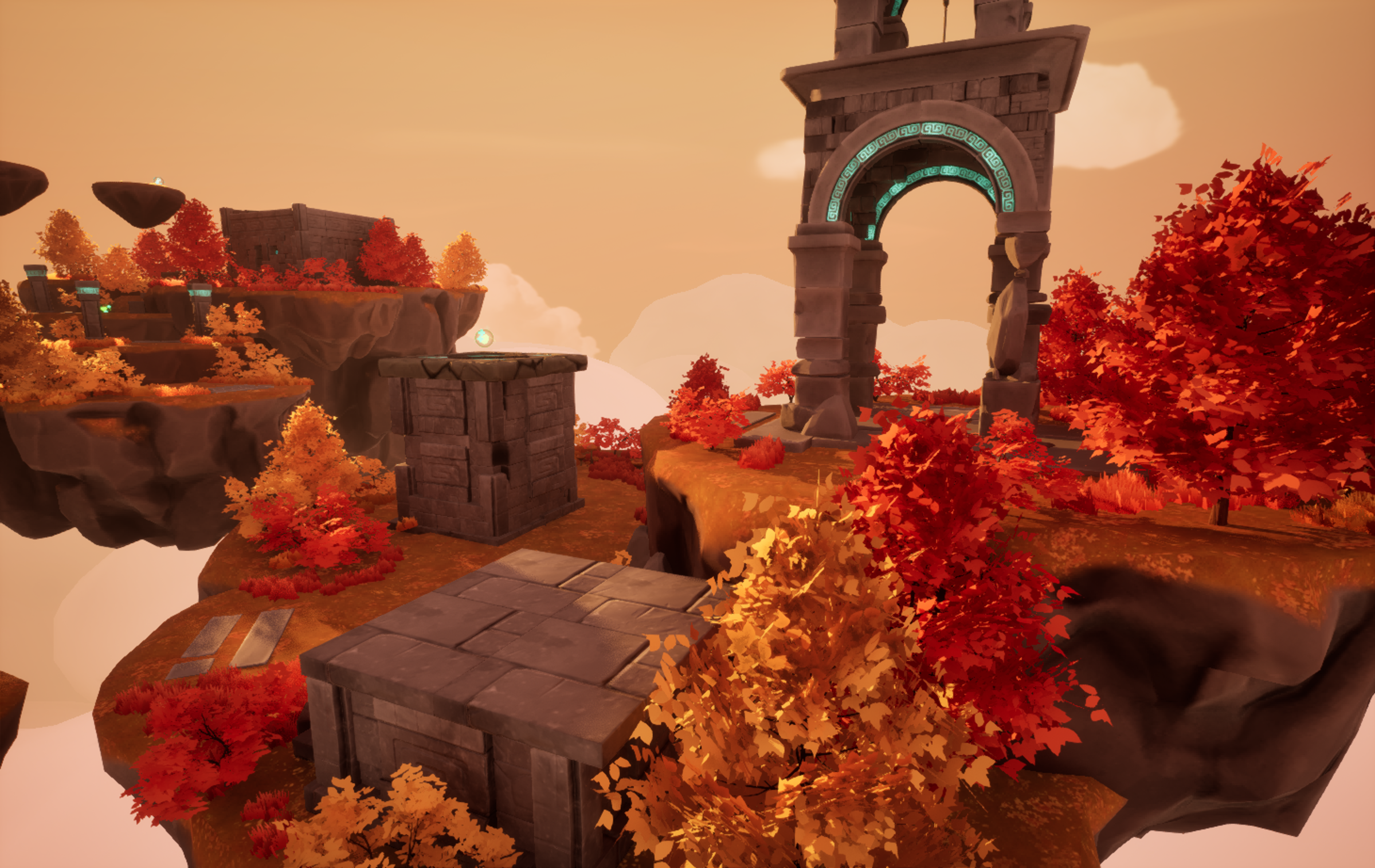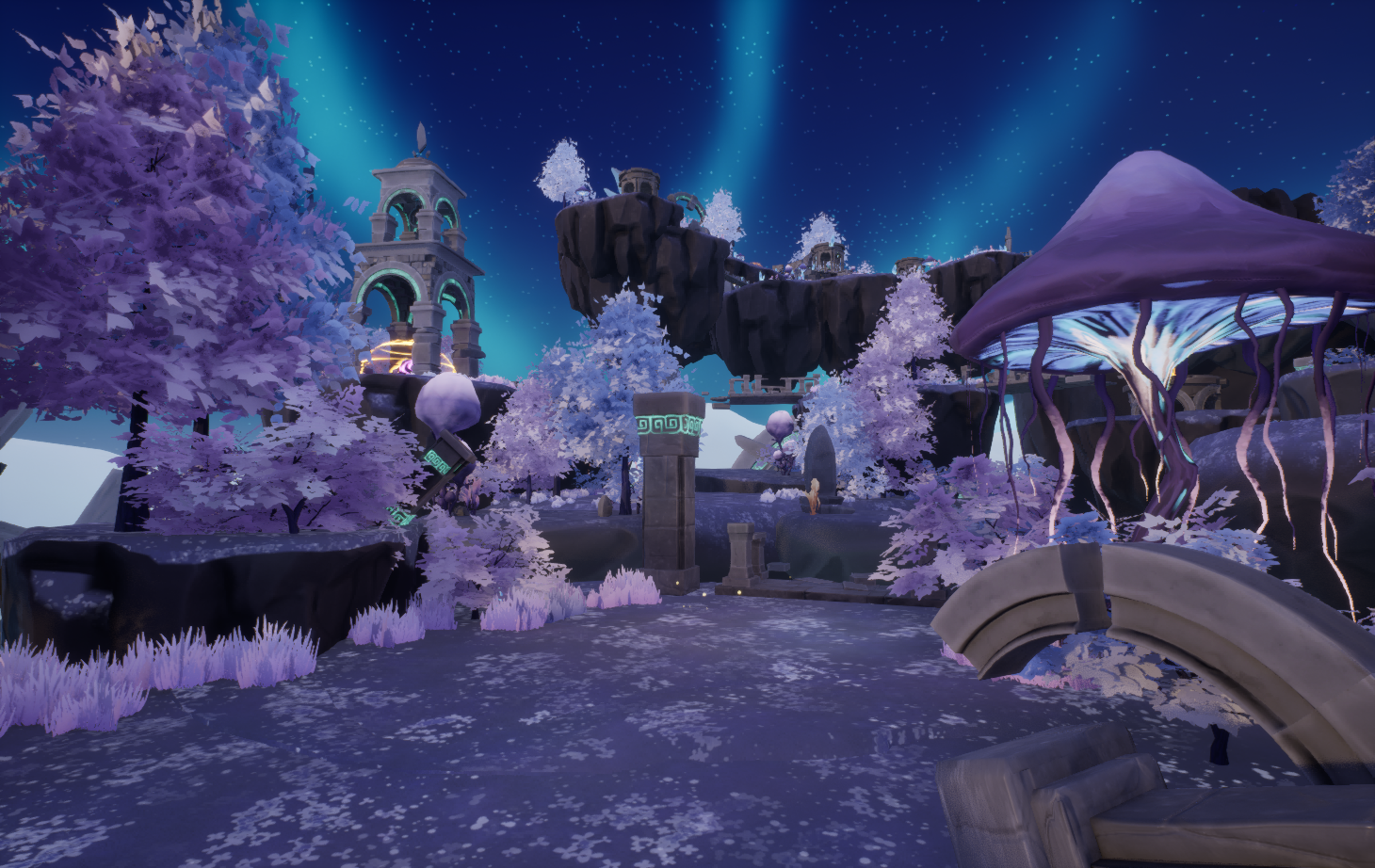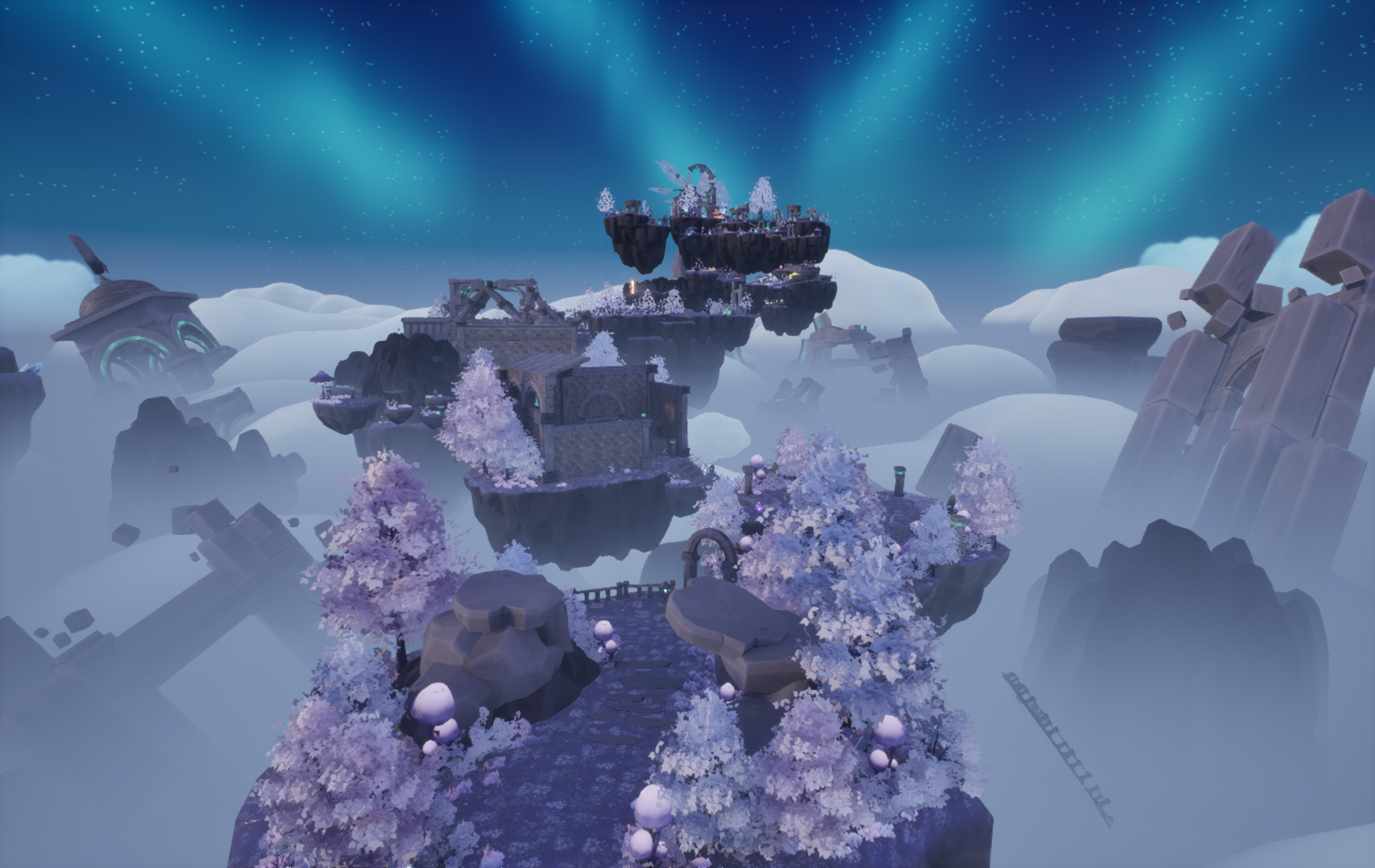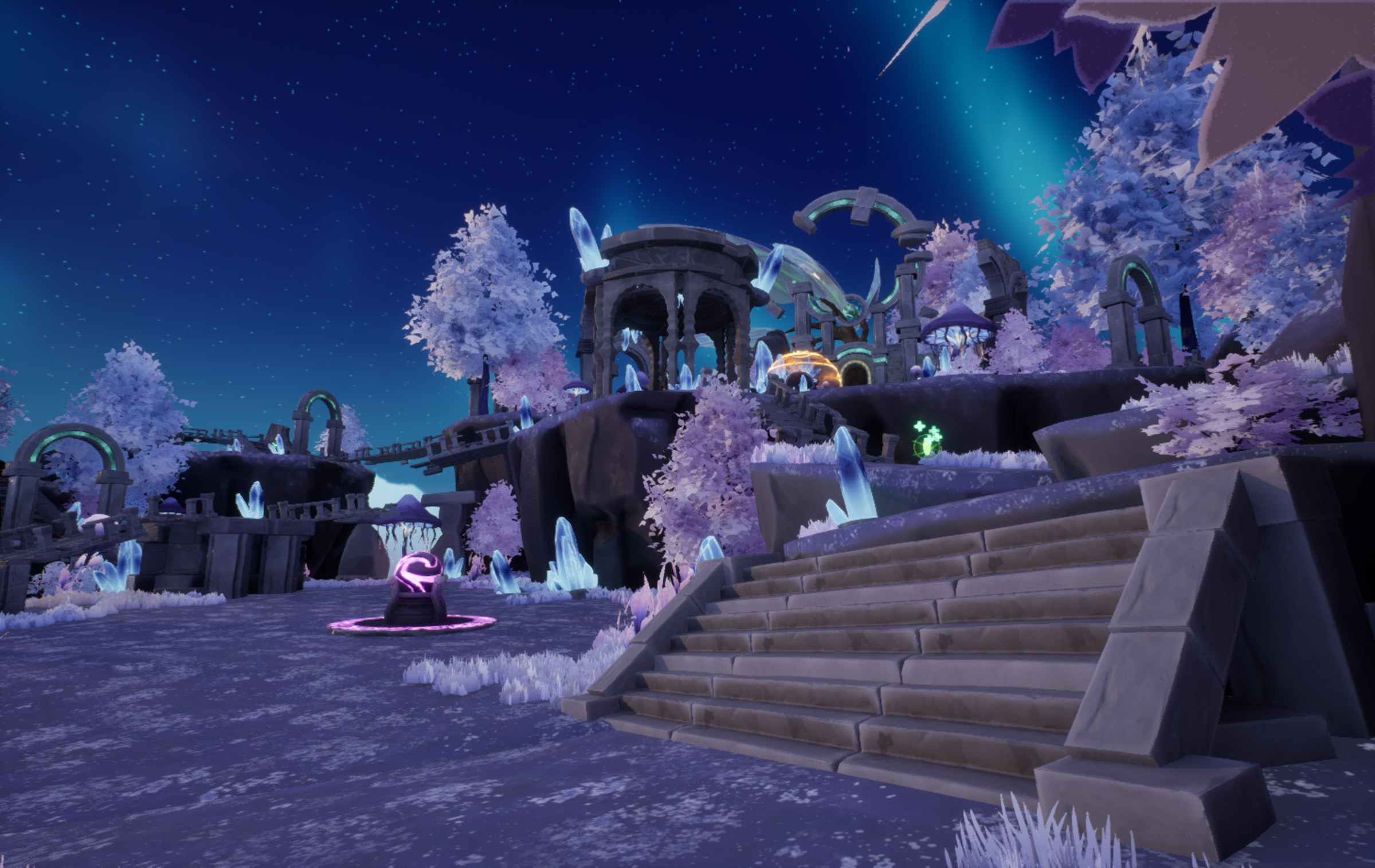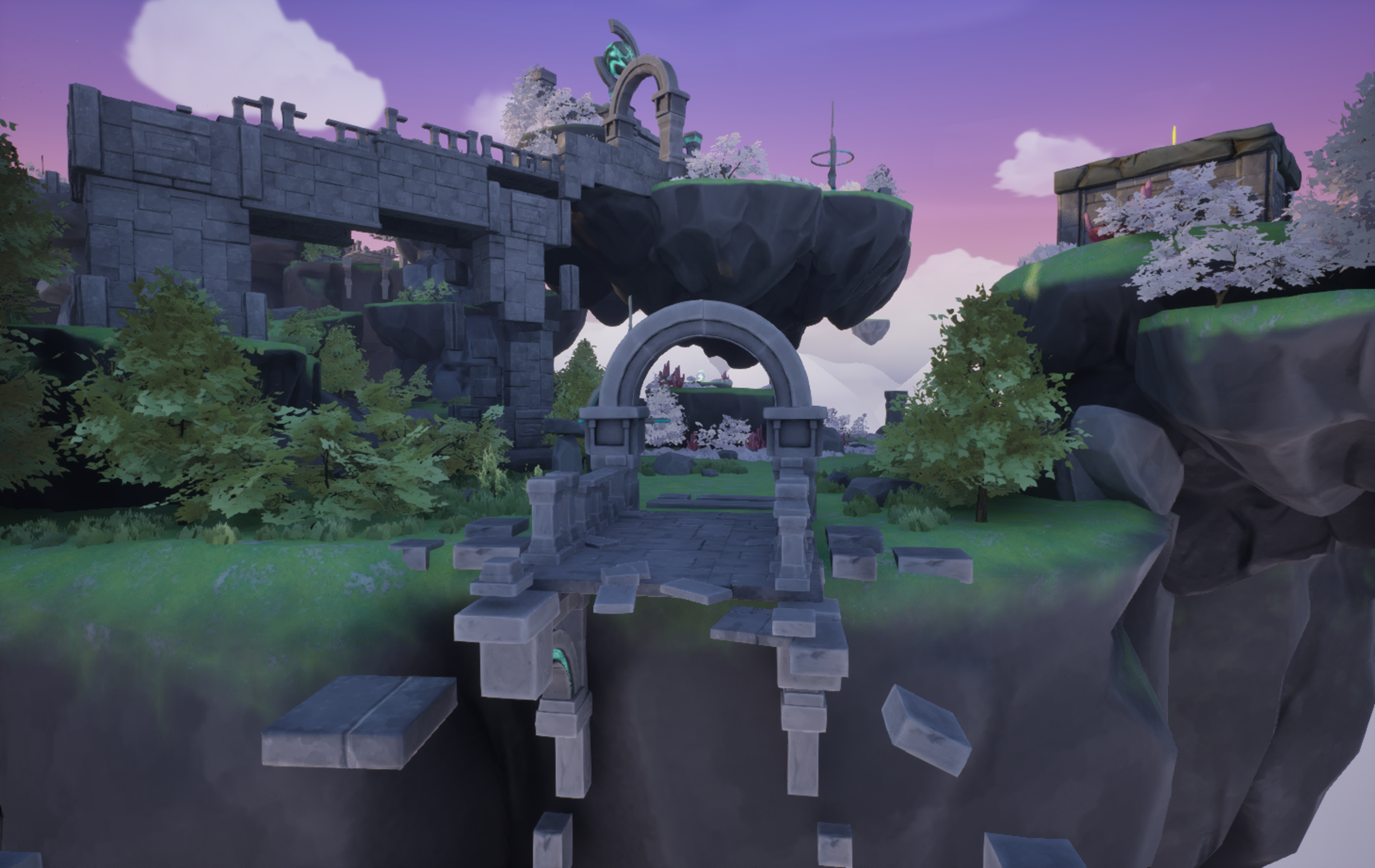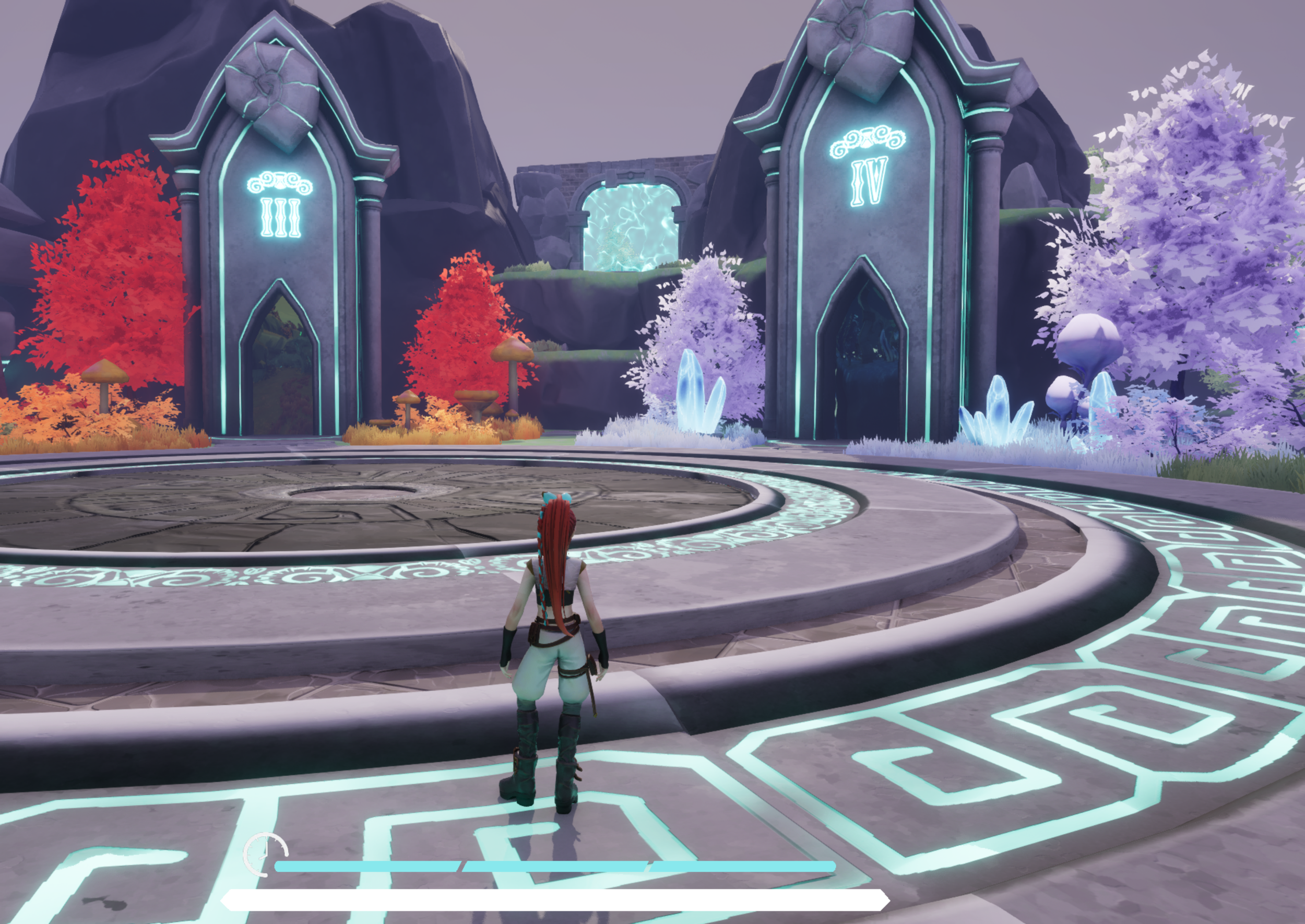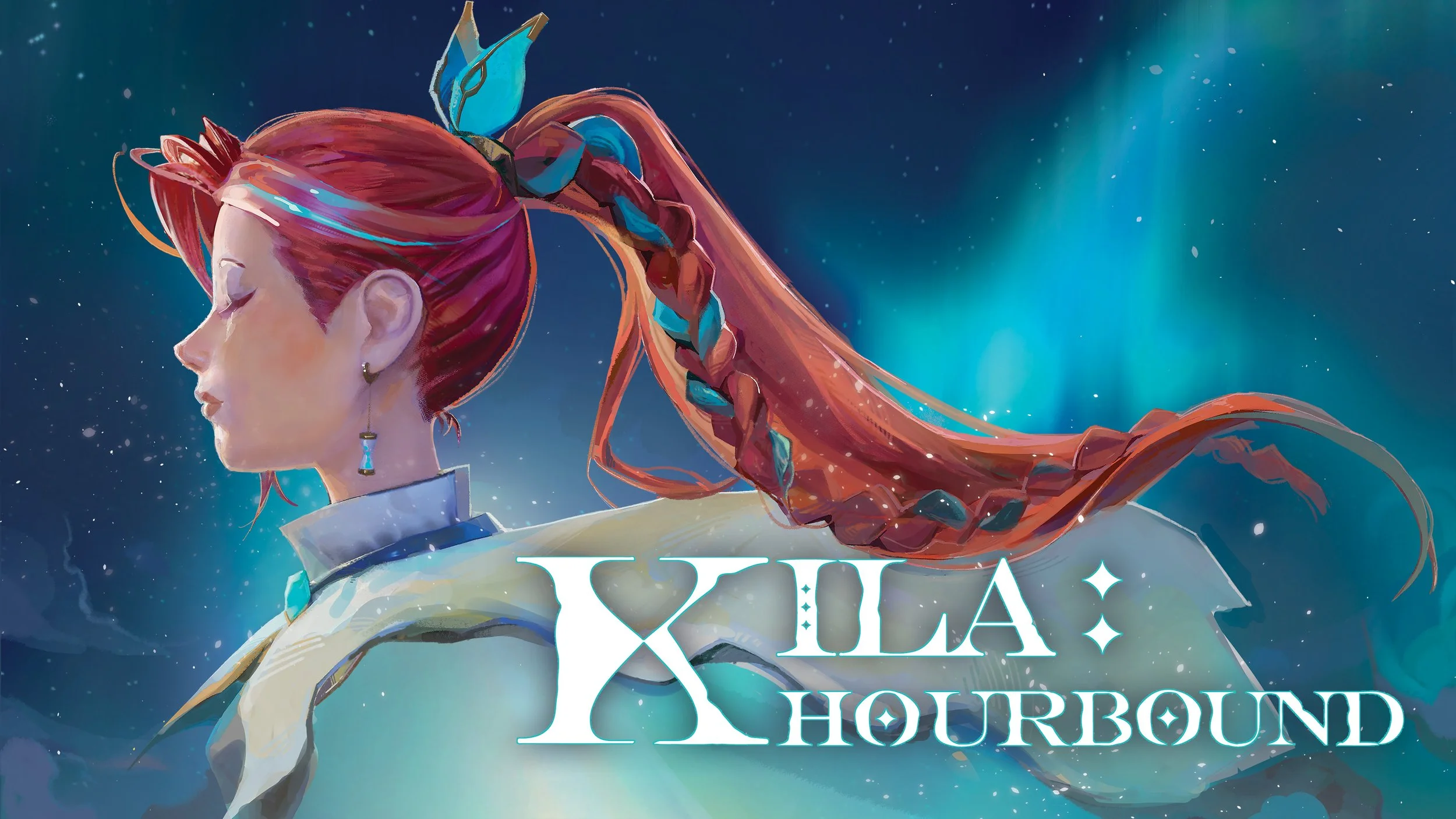
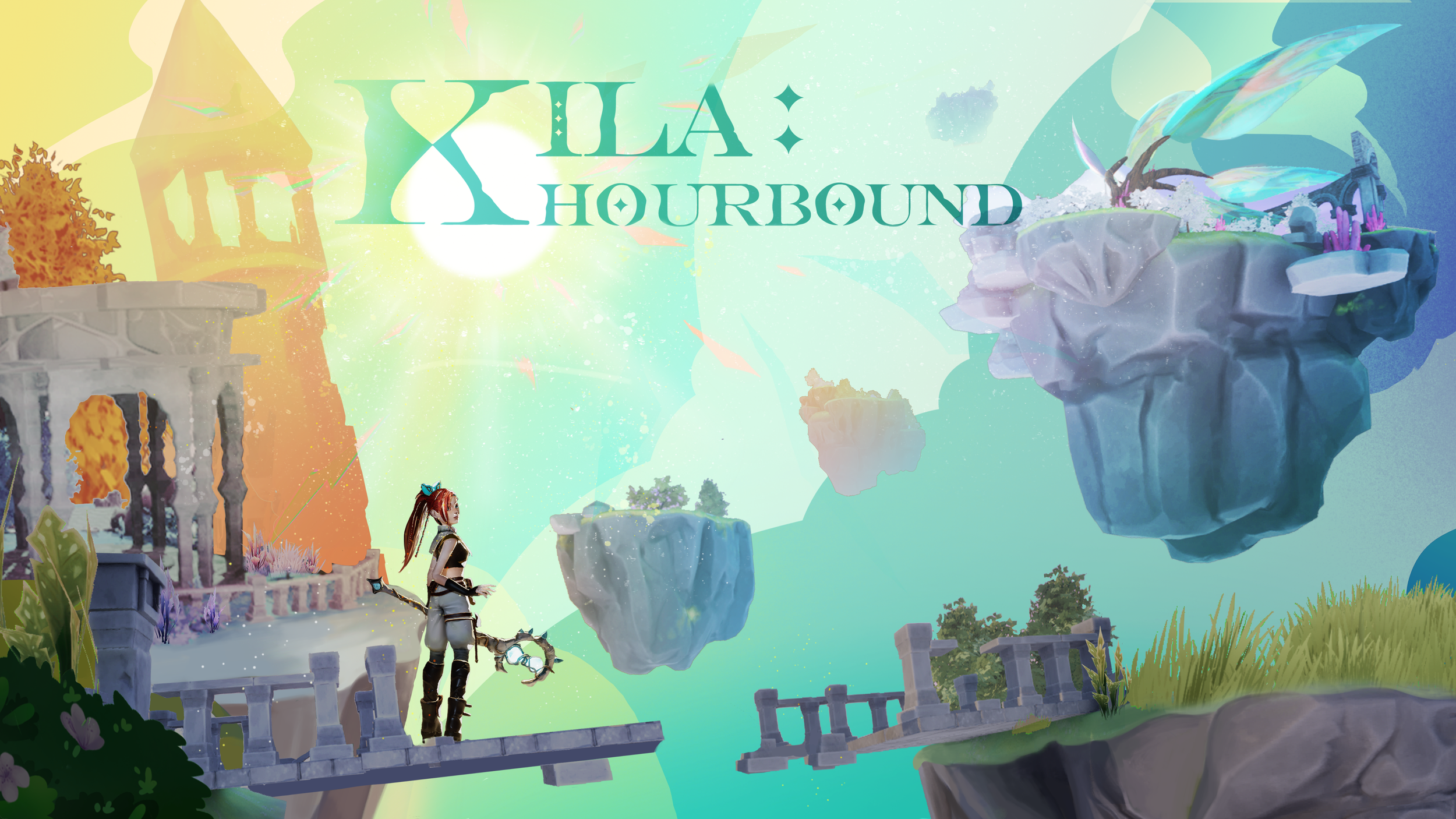
Journey through the fantastical world of Aion as Kila, a Keeper of Time. In this single-player action-adventure platformer, you explore floating islands and combat savages who are stealing time. With a magical staff and time manipulation at your hand, fulfill your destiny and restore peace to Aion. Play for FREE on Steam
Kila: Hourbound
Producer | 27-Person Team | 6 Month Development
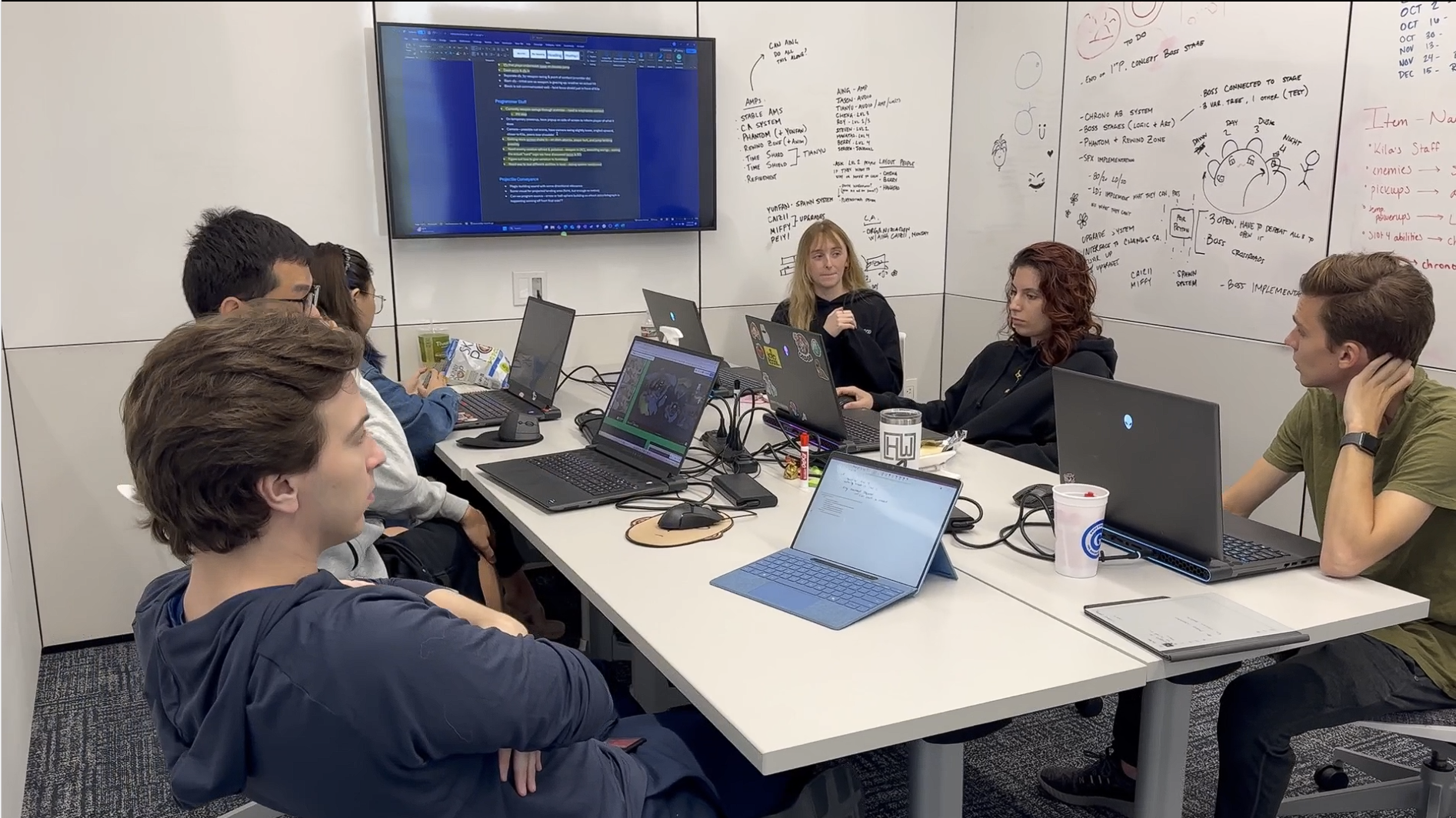
As producer, my responsibilities included…
Assisted a 27-person cross-functional team of developers, coordinated tasks and managed risks
Led feature meeting presentations, took meeting notes, and ensured all sub-teams were well informed on key decisions
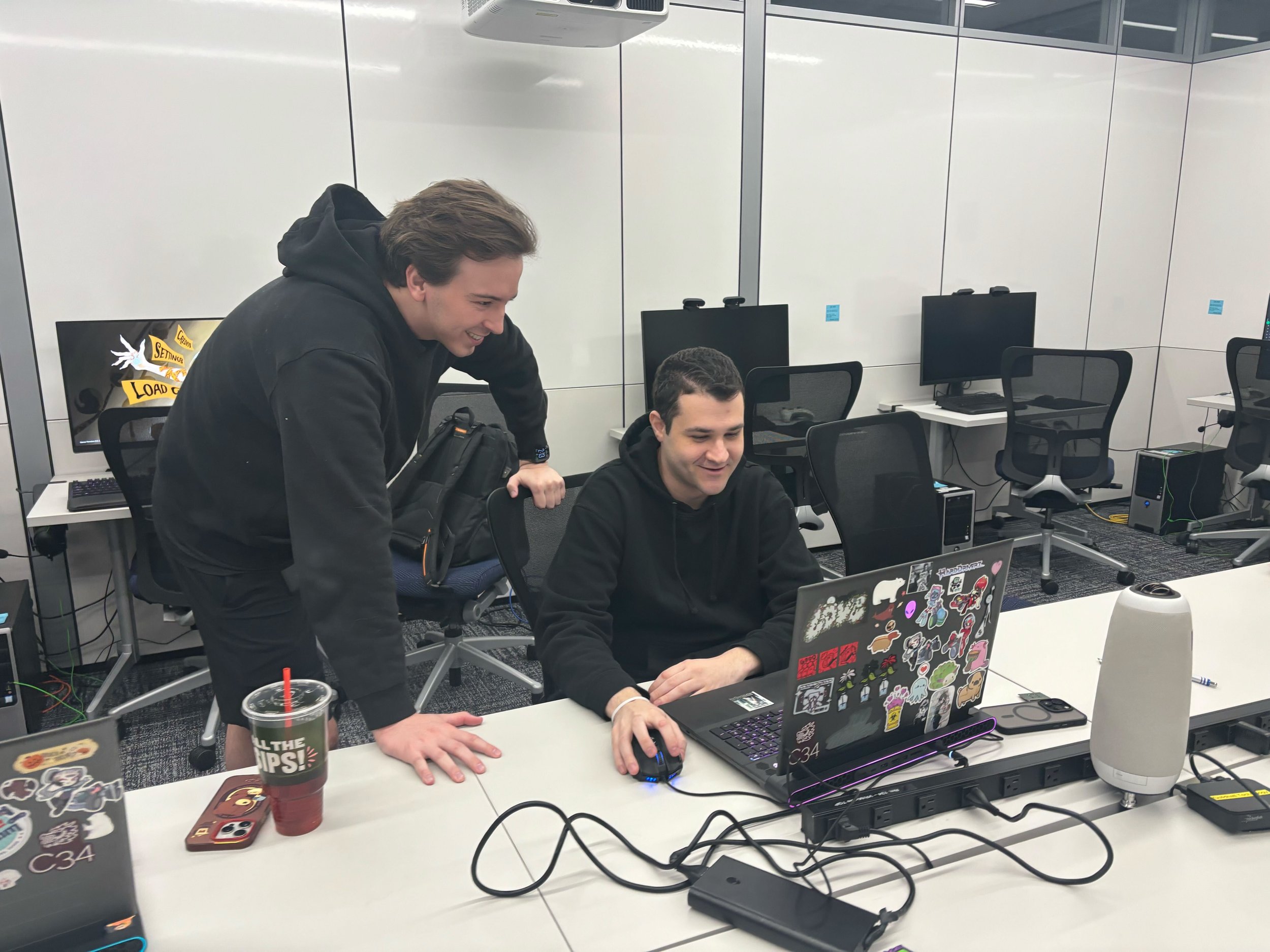
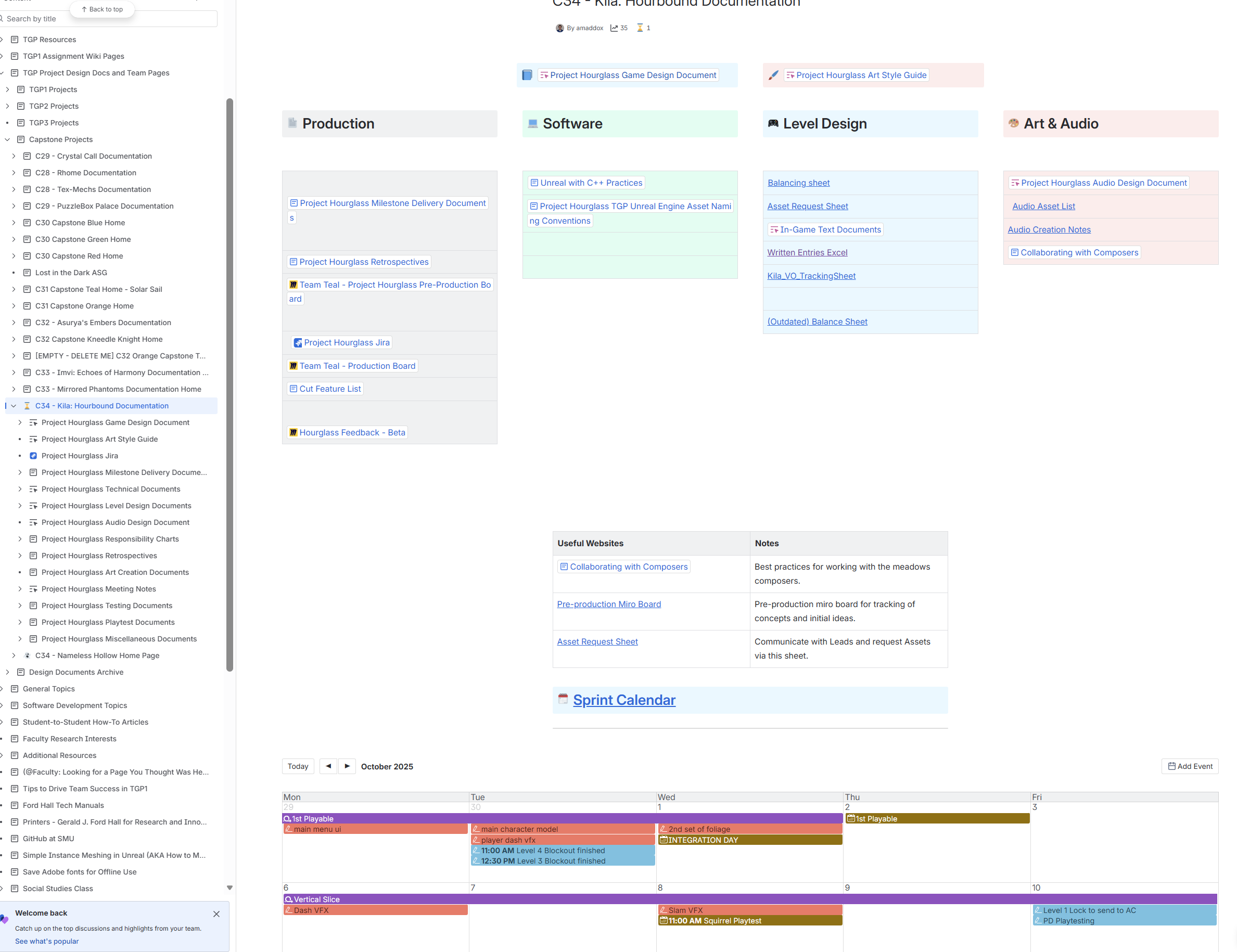
Established Confluence documentation home to centralize team resources and workflows.
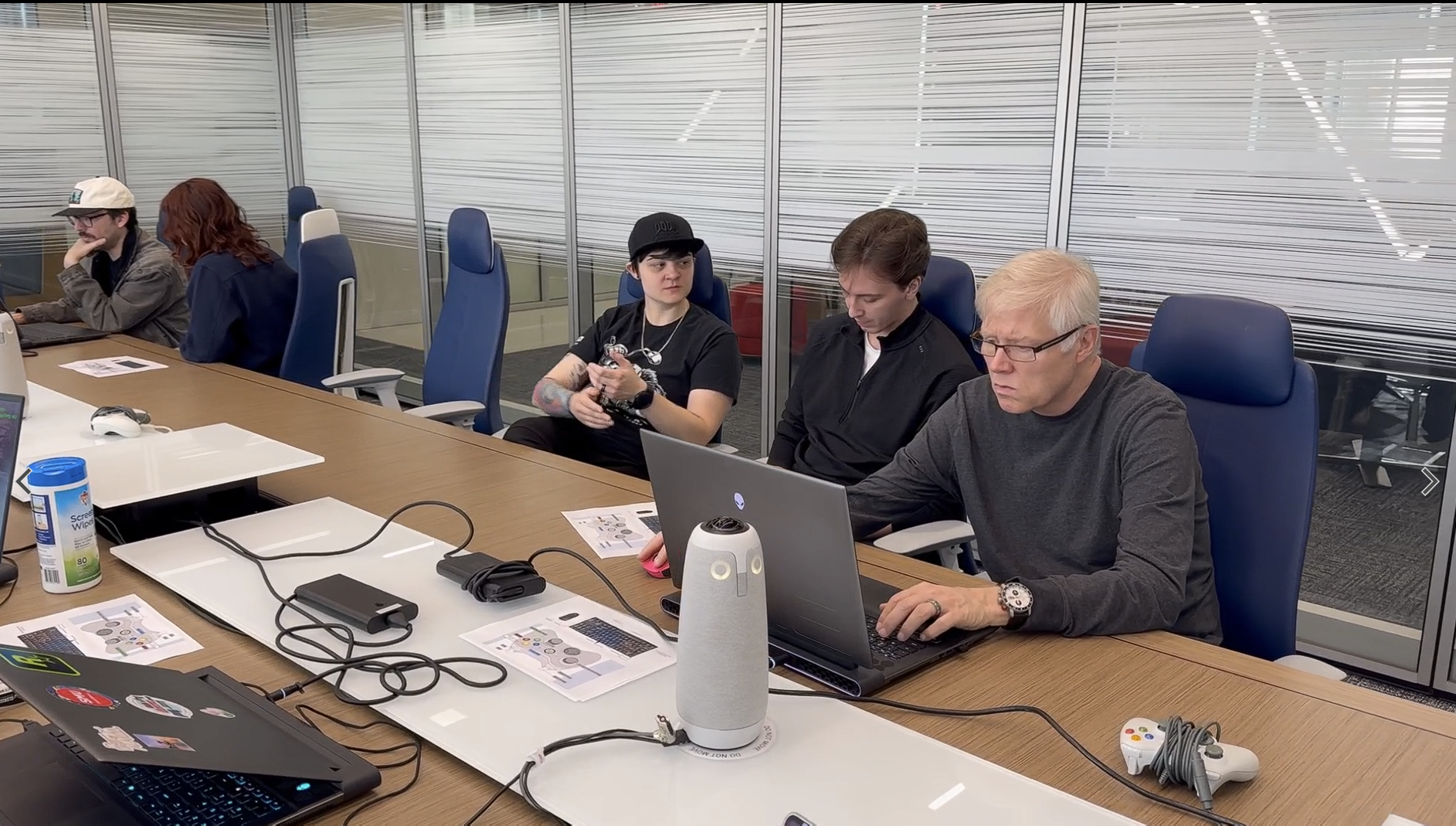
Orchestrated 20+ playtests to gather and evaluate feedback for design and art iteration.
Production Tools I Used During This Project
Jira
Confluence
Perforce
Unreal Engine
Microsoft Office Suite
Slack
OBS
Steamworks
Example Documents
PoCT Milestone Delivery Document
I created this document and worked with the project leads to communicate out milestone delieverables with the stakeholders.
PoCT Milestone Presentation
This presentation was constructed and complied by the leads for the project and it was organized and structured by me. This presentation was provided to stakeholders during the PoCT milestone.
Postmortem on Kila: Hourbound
This project was my second large‑scale team game, and it gave me the confidence to refine my leadership style, strengthen my planning processes, and support the team with a clearer sense of direction. The lessons I gained here built directly on my first project and helped me grow into a more thoughtful and effective producer
Don’t be afraid to ask the tough questions.
There was situation during production where a composer was consistently missing deadlines and delivering content that did not meet the quality standards of our game director or stakeholders.
Although I was initially hesitant to address the poor quality of the music, I realized that avoiding the conversation was hurting the project's progress.
By bringing up the issue directly, I found that other composers on the team had the same concerns, which allowed us to have an honest conversation about the work.
This proactive communication enabled us to collaborate on a solution that improved the quality of music and resulted in a final product that satisfied both the creative team and the stakeholders.
Balancing Team Needs with Stakeholder Expectations.
During our Vertical Slice, stakeholders expressed that the combat system felt too basic and over-reliant on single-button spamming.
Our team initially responded by attempting to implement a complex combo system, which caused friction as the team felt it slowed down the project's original fast-paced vision.
Recognizing the growing disconnect, I facilitated discussions between the developers and stakeholders to find a middle ground that satisfied both parties.
We pivoted to a reward system based on accuracy and momentum rather than traditional combos, addressing the need for depth without compromising the core gameplay feel the team was passionate about.
Learn when and where to make the proper feature cuts to help with scope.
During pre-production, the lead team planned a quite ambitious list of features, including four unique enemy types and multiple different boss encounters.
As production progressed, it became clear that the project was over-scoped and that we needed to make strategic cuts to ensure we could deliver a high-quality, functional core game.
I collaborated closely with the Art Lead and Game Director to evaluate which features could be removed to improve the art team's velocity without compromising the game director's non-negotiable creative pillars.
By identifying these trade-offs early, I helped the team focus their resources on polishing the most impactful elements of the game rather than spreading ourselves too thin.
Don’t forget to tell the team the Why.
During early playtests, including PoCG and First Playable, we received expert feedback on how to improve the jump mechanics to feel more like a "variable height" jump seen in titles like Super Mario.
As the person orchestrating these playtests, I communicated the required changes to the developers but initially failed to provide the specific feedback and reasoning behind the decision.
This lack of context led some team members to question the design direction, feeling that the leads were making arbitrary changes rather than responding to expert playtester feedback.
This experience taught me that transparency is key; by always explaining the "why," I can eliminate confusion, justify design shifts, and ensure the entire team is aligned and motivated.
What I learned producing Kila: Hourbound…